An open-shell Ir(II)/Ir(IV) redox couple outperforms an Ir(I)/Ir(III) pair in olefin isomerization
Open-shell systems based on first-row transition metals and their involvement in various catalytic processes are well explored. By comparison, mononuclear open-shell complexes of precious transition metals remain underdeveloped. This is particularly true for IrII...
Multiomics integration unveils photoperiodic plasticity in the molecular rhythms of marine phytoplankton
Earth’s tilted rotation and translation around the Sun produce pervasive rhythms on our planet, giving rise to photoperiodic changes in diel cycles. Although marine phytoplankton plays a key role in ecosystems, multiomics analysis of its responses to these...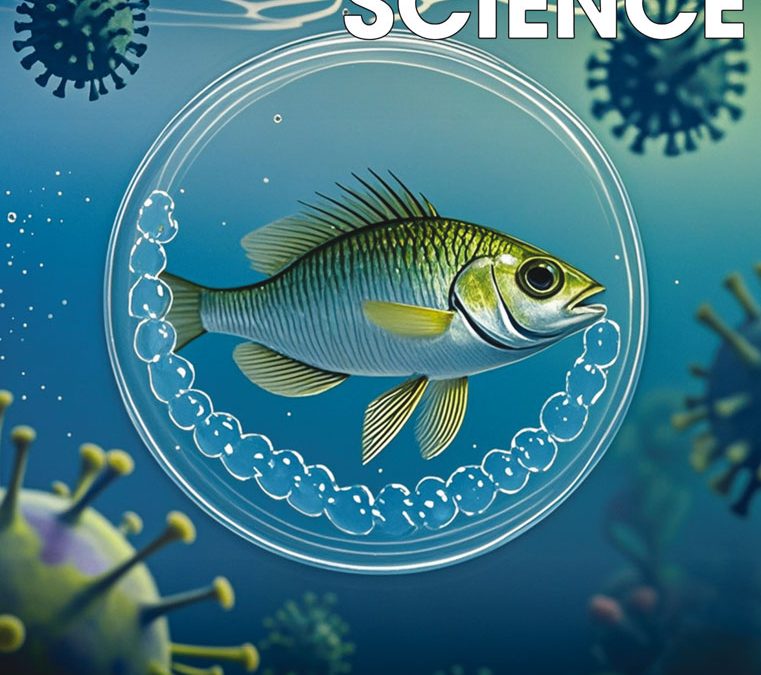
Evolutionary Pro-To-Thr Mutation in the Intrinsically Disordered Domain of ANP32 Family Members Modulates Their Target Binding Modes
Gene duplication has allowed protein evolution toward novel functions and mechanisms. The differences between paralogous genes frequently rely on the sequence of disordered regions. For instance, in mammals, the chaperones ANP32A and ANP32B share a common evolutionary...
Reversible Bimetallic Inhibition to Modulate Selectivity During Catalysis
Bimetallic complexes have demonstrated a great ability to enhance the activity of monometallic systems for bond activation and catalysis. In this work, we explore the opposite approach: using a second metal to passivate the activity of another by reversible bimetallic...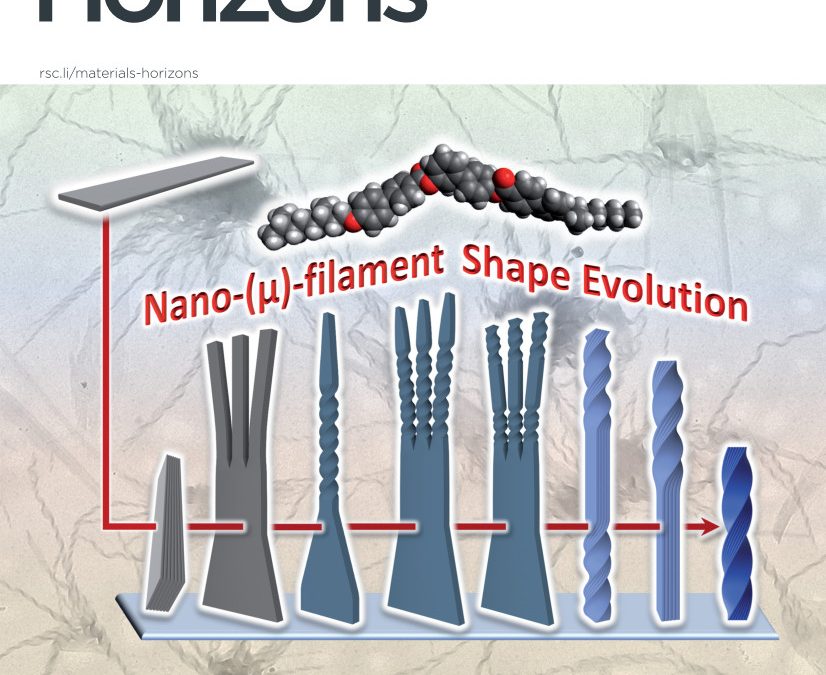
Transparent porous films with real refractive index close to unity for photonic applications
Herein, we demonstrate mechanically stable large-area thin films with a purely real refractive index (n) close to 1 in the optical range. At specific wavelengths, it can reach values as small as n = 1.02, the lowest reported for thin solid slabs. These are made of a...