
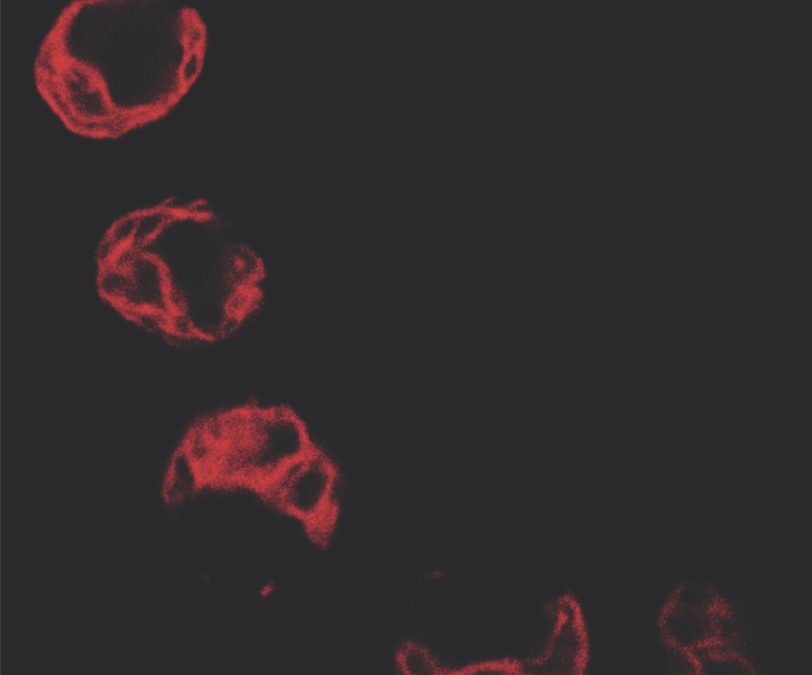
Chloroplast Damage Induced by the Inhibition of Fatty Acid Synthesis Triggers Autophagy in Chlamydomonas
Fatty acids are synthesized in the stroma of plant and algal chloroplasts by the fatty acid synthase complex. Newly synthesized fatty acids are then used to generate plastidial lipids that are essential for chloroplast structure and function. Here, we show that...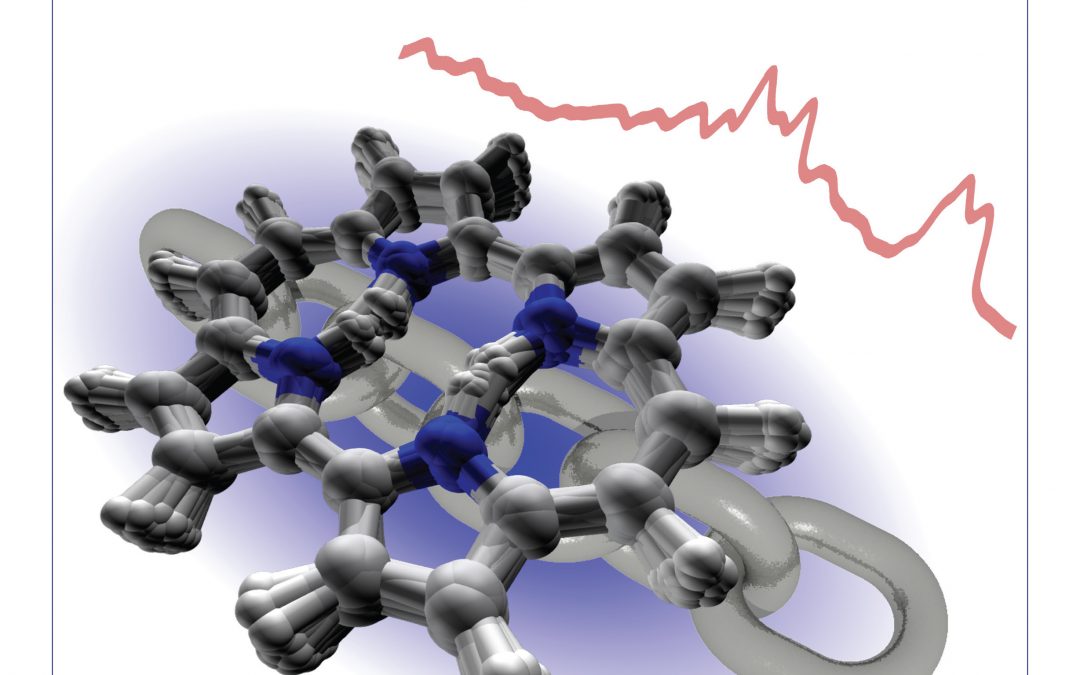
Base-Promoted, Remote C−H Activation at a Cationic (η5‐C5Me5)Ir(III) Center Involving Reversible C−C Bond Formation of Bound C5Me5
C−H bond activation at cationic [(η5-C5Me5)Ir(PMe2Ar′)] centers is described, where PMe2Ar′are the terphenyl phosphine ligands PMe2ArXyl2 and PMe2ArDipp 2. Different pathways are defined for the conversion of the five-coordinate complexes [(η5-C5Me5)-IrCl(PMe2Ar′)]+,...
Phosphate-type supports for the design of WGS catalysts
The importance of water availability during the WGS reaction has been extensively reported. Thus, the search of new supports able to interact with the water molecule is of great importance. In this work, a series of phosphate-type supports containing Ce, Ca and Ti...
2-Cys Peroxiredoxins Participate in the Oxidation of Chloroplast Enzymes in the Dark
Most redox-regulated chloroplast enzymes are reduced during the day and oxidized during the night. While the reduction mechanism of light-dependent enzymes is well known, the mechanism mediating their oxidation in the dark remains unknown. The thiol-dependent...
Understanding the role of the acid sites in HMF oxidation to FDCA reaction over gold catalysts: surface investigation on CexZr1-xO2 compounds
A series of CexZr1-xO2 supports with different Ce/Zr molar ratios were utilized for the preparation of gold catalyst used in the selective oxidation of 5-hydroxymethyl-2- furfural to 2,5-furandicarboxylic acid. The used method of gold deposition allows the preparation...